At Senior Care Villa of Loomis, we recognize that dementia care can take many forms. dementia care Roseville, CA, are especially known for their specialized, tailored memory care approaches that incorporate music and art therapy. These communities understand the importance of both creative expressions—not only for enjoyment, but also for their ability to support overall well-being for individuals living with dementia. Below, we explore how music and art therapy support effective dementia care.
How Music Therapy Transforms Dementia Care
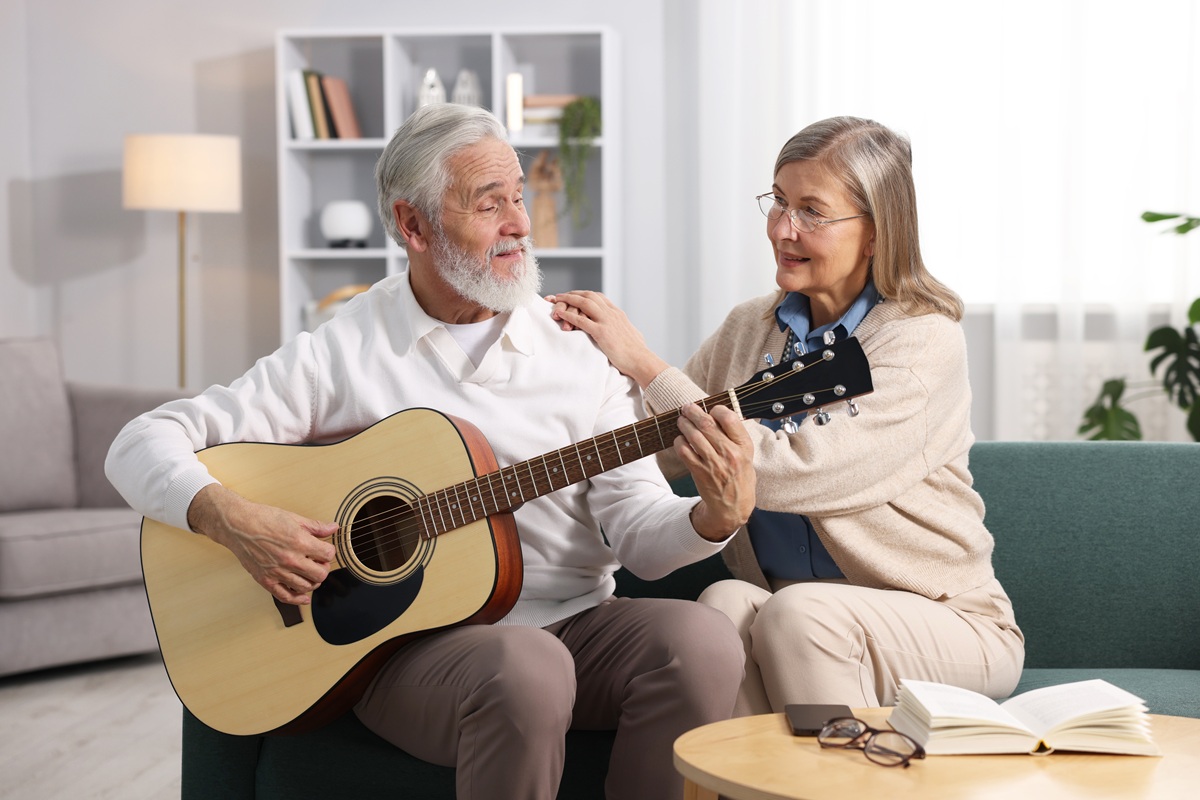
A senior’s love for music doesn’t fade with age. Everyone has favorite songs—whether it’s the melody that feels comforting or lyrics that feel familiar. These favorites don’t have to come from early life alone. Even for individuals with advanced dementia, music therapy continues to offer meaningful benefits.
Music therapy goes beyond simply listening to songs. It’s a shared, engaging experience and an important part of holistic dementia care. Below are some of the ways music therapy supports individuals living with dementia.
Reduces Agitation & Anxiety
Agitation and anxiety are common challenges for individuals with dementia and can sometimes lead to restlessness, confusion, or behavioral changes. Music therapy is beneficial across all stages of dementia. It stimulates areas of the brain that remain responsive and supports emotional well-being.
Listening to familiar music can help residents feel calmer, reduce stress, and ease behaviors such as wandering or agitation. Music also provides a nonverbal way to express emotions, creating feelings of comfort and reassurance.
Sparks Memory & Emotion
Individuals living with dementia may experience periods of withdrawal or low motivation, often related to unresolved emotions or loss. Music therapy helps bring forward positive memories that may not be easily accessed otherwise.
Familiar songs and melodies can trigger meaningful memories and emotional responses, helping residents reconnect with moments and experiences that feel familiar and comforting.
Improves Connection
Connection isn’t only about being physically present with others. Many individuals with dementia struggle with verbal communication, which can make social interaction challenging. Music offers another way to connect.
Through shared listening, singing, rhythm, or instrumental play, residents can connect with peers and express themselves even when words are difficult. These shared musical moments foster joy, emotional bonding, and meaningful interaction.
Enhances Daily Routines
Following daily routines can become challenging as dementia affects memory and understanding. Music therapy can help support routines by reducing agitation, improving communication, and creating a sense of structure.
Personalized playlists and group sing-alongs can make everyday tasks—such as bathing or getting dressed—more enjoyable and less stressful.
How Art Therapy Transforms Dementia Care
In memory care communities in Roseville, CA, art therapy takes many forms, including painting, drawing, clay modeling, collage-making, and coloring activities. Like music, art is a nonverbal form of creative expression.
Beginning an art project gives seniors a sense of purpose, while completing it provides a sense of accomplishment. Even in later stages of dementia, art therapy offers a safe and meaningful outlet for emotions and supports new ways of communication.
Promotes Self-Expression
Art activities show that self-expression doesn’t depend on words. Art therapy is widely used in memory care communities to help residents express feelings and emotions.
Through activities like painting, drawing, or sculpting, residents can release emotions and communicate in ways that feel natural. This can help them process grief or emotional stress, supporting overall wellness.
Builds Accomplishment
Art is a process, and even completing a small project can feel rewarding. Creating art helps residents feel positive about themselves and reinforces a sense of purpose, identity, and confidence.
These experiences support self-esteem and autonomy, contributing to overall well-being.
Improves Motor Skills
As dementia progresses, changes in motor skills may occur, affecting balance, coordination, and fine motor control. Art therapy activities such as painting, sculpting, and coloring help support hand-eye coordination, dexterity, and muscle control.
Encourages Social Interaction
Art therapy is often offered in group settings, bringing residents together in a shared creative experience. While working on projects, residents engage in conversation, laughter, and shared moments.
These interactions help strengthen social bonds and support emotional well-being.
Senior Care Villa of Loomis – Holistic Dementia Care Services In Roseville, CA
At Senior Care Villa of Loomis, we understand the many benefits music and art therapy offer in dementia care. As nonverbal forms of expression, these therapies help residents express emotions, reduce anxiety, and experience comfort, joy, and accomplishment.
Residents can enjoy listening to favorite music with peers or participate in creative activities such as painting or clay modeling. These experiences support emotional health, encourage social interaction, and enhance daily routines.
Those seeking a compassionate dementia care community in Roseville, CA, are invited to contact Senior Care Villa of Loomis. In addition to music and art therapy, we offer a range of amenities—including outings, card games, and intergenerational programs—that foster connection and belonging. Contact us today to schedule a tour and learn more about our community.